
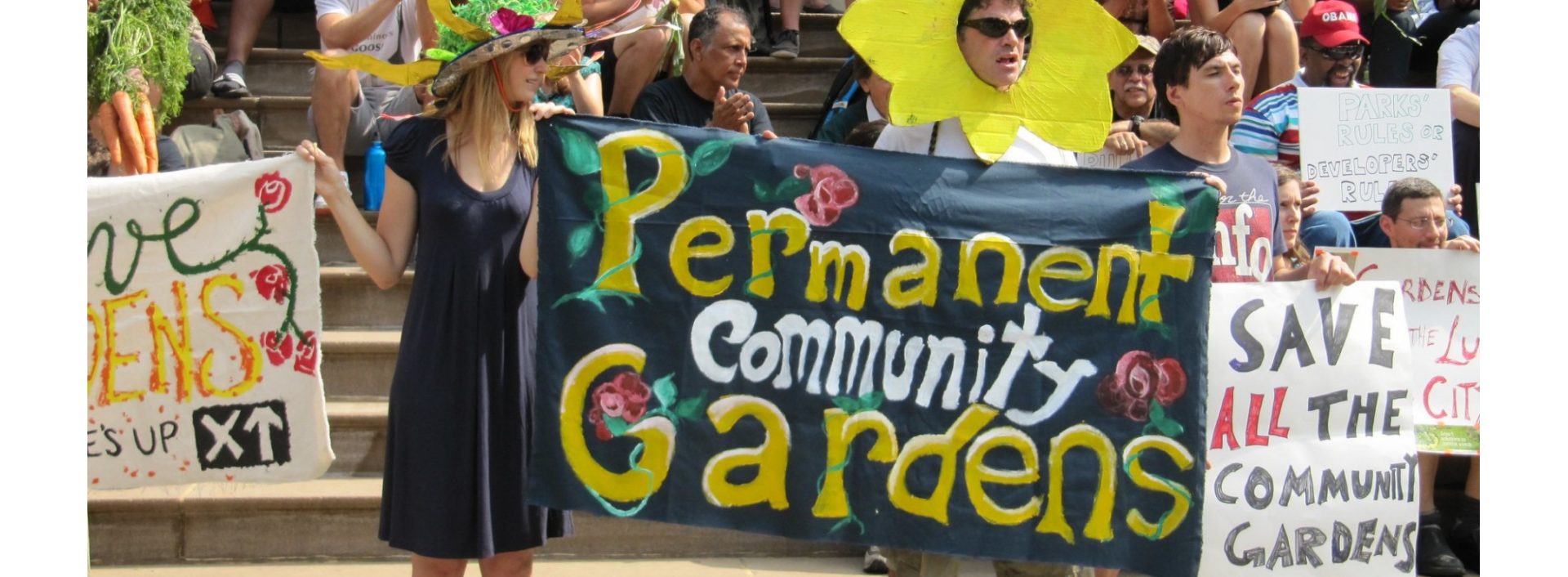
These actions are often not recognised as being part of the climate movement. When we think of ‘climate action’ our minds are often drawn towards images of protestors blocking roads, people spraying orange paint and disruption being caused at airports and sporting events. But that’s not the kind of action we’re talking about.
Published 7th July 2025
Beyond the Narrative: The Hidden Power of Grassroots Climate Action
Across the Community Organisers Network, and in many low-income communities, there is a quiet movement of people taking direct and practical action to address climate issues.
The communities who are doing this quieter kind of action on climate have not been glamourised as those leading climate action, even though they’re often those most disproportionally impacted to environmental issues, such as exposure to air-pollution.
Their practical action has been born out of necessity and the need to lower expenditure. We’re presented with conversations about the need to ‘transition to net zero’ through home improvements such as Air Source Heat Pumps, electric vehicles or other expensive retrofits. But those actions are often out of reach for many people, so the communities I’m talking about have had to improvise, and find other ways to do things for their families and the places where they live.
It’s these other stories that we’ve seen, emerging through the work of the Cost of Living Alliance. Despite the dominance of the more disruptive images across mainstream media that we see, and government’s push for households to make significant investments in climate solutions, those images and initiatives are just one side of the ‘climate action’ story.
The Cost of Living Alliance, convened by Community Organisers, sought to identify how sharp rises in costs were impacting low-income communities and what people could do to come together and mitigate against these issues.
Stories emerged such as:
- how residents in Hartlepool were purchasing solar fairy lights and charging them during the day and using them on evening to save money on lighting costs due to nights getting darker earlier. In addition, drawing inspiration from the Public Wash Houses in Liverpool during the 19th century, we also heard how community centres, such as The Annexe, in Dyke House in Hartlepool, created a ‘drying facility’ (powered by solar) with clothes horses and dehumidifiers to reduce people’s costs of drying at home .
- how a workers’ co-operative in Marsh Farm, Luton have restored a derelict farmhouse and brought it back into community use through mobilising voluntary labour. As a result, in an effort to reduce energy bills, they are exploring the use of green gas turbines that include carbon capture that will enable them to produce their own electricity for their community kitchen, and,
- in Haringey, led through the community organising work of Moussa Sylla and Sally Sturgeon, Haringey Community Food Network has matured from a crisis-response collective into a vibrant, locally‑grown food ecosystem. By supporting the development of community gardens, teaching cooking skills, and championing sustainable, equitable food access, they’re not just combating hunger; they are taking practical action on climate friendly locally led solutions. Their approach is reducing waste, carbon emissions and dependency on distant supply chains while enabling local people to have better lives.
All of these stories show the importance of how local people, knowingly or not, are taking practical and direct action that can positively impact on climate change. However, to truly build a powerful narrative that can bring people together around the importance of the climate we need to start where people are at.
When the conversation is full of extreme warnings that don’t offer practical solutions, or when protests disrupt everyday life – like making it impossible to get to work or pick up children from school – it’s easy for people to feel cut off from the conversation, or at worse turn off from the whole discussion. People on lower incomes, who are often juggling immediate money worries, aren’t necessarily ignoring environmental issues as the stories show. Instead, they often approach them from a very practical and necessary point of view.
So, the path forward is to bridge the gap between those on the frontline of climate action and the daily struggles of ordinary people.
Instead of telling someone who’s already struggling to pay their energy bills that they need to buy a brand-new electric car to avoid ULEZ charges or make an investment in renewable technology to heat their home; let’s find alternative solutions. Solutions that will directly help with the money worries communities face whilst also being the solutions that naturally benefit the environment.
By linking people’s money worries to a better environment for their families we can find common ground. And, it will help build a movement, committed to economic and environmental justice, that truly includes everyone. We must find a way forward that will move past what divides us and start a conversation that makes sense to everyone, inspiring us all to work together for a just, and more sustainable future for our neighbourhoods.